
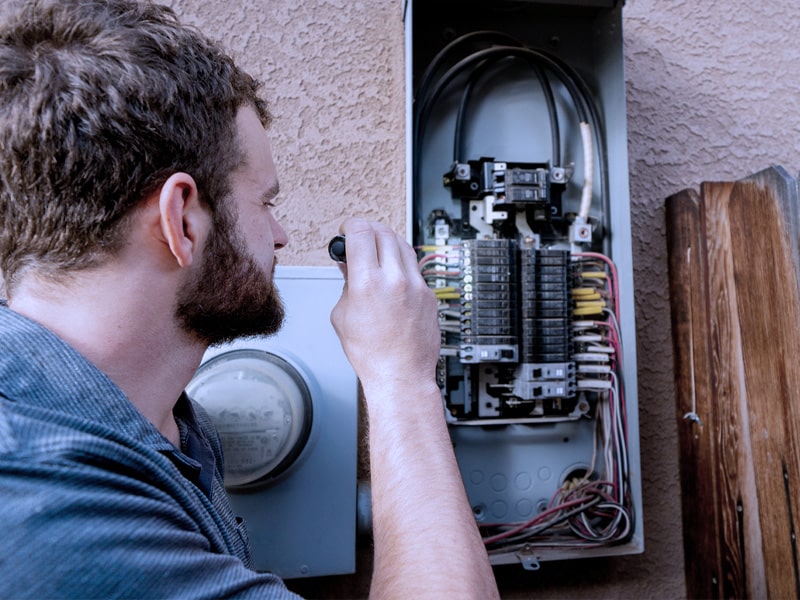
If you own an older home, you may already know that charm and character sometimes come with surprise repair needs, especially behind the walls. Understanding electrical repair cost can help you feel more confident when flickering lights, tripping breakers, warm outlets, or outdated wiring raise concerns. While every home is different, older properties often require a closer look because their electrical systems were built for a very different era, long before today’s smart TVs, computers, charging stations, HVAC demands, kitchen appliances, and home office setups became part of daily life.
The good news is that electrical repairs do not have to be scary, confusing, or overwhelming. With the right electrician, you can get clear answers, practical recommendations, and a safe path forward. Whether you need a small outlet repair or a larger upgrade, knowing what affects pricing can help you budget wisely and avoid unpleasant surprises.
Electrical Repair Cost for Older Homes Explained
Electrical repair costs in older homes can vary widely because the issue may be simple, hidden, or connected to a larger, outdated system. A basic repair, such as replacing a faulty outlet or light switch, may be relatively affordable. More involved work, such as repairing old wiring, replacing a panel, correcting unsafe connections, or upgrading circuits, can cost more because it requires additional labor, troubleshooting, materials, permits, and safety testing.
In many older homes, the biggest cost factor is not just the visible problem. It is what the electrician discovers while investigating it. For example, a homeowner may call because one outlet stopped working, but the real issue could be aging wiring, loose connections, overloaded circuits, or an outdated panel that no longer supports the home’s electrical demand.
Common cost factors include:
- Age and condition of the wiring: Older wiring may be brittle, damaged, ungrounded, or no longer considered safe for modern use.
- Accessibility: Repairs are usually easier when wiring is accessible from an attic, crawl space, basement, or open wall. Costs may rise when walls, ceilings, or tight spaces make access difficult.
- Type of repair needed: Replacing a switch is much different from rewiring a room or upgrading an electrical panel.
- Code requirements: Older homes may need updates to meet current safety standards, especially during major repairs or remodeling.
- Panel capacity: If your electrical panel is outdated or full, new circuits may require a panel upgrade.
- Permits and inspections: Some electrical projects require permits, which help ensure the work is completed safely and properly.
- Emergency timing: Urgent repairs, after-hours service, or unsafe conditions may affect the final cost.
For many homeowners, a professional inspection is the most helpful first step. It gives you a clearer picture of whether you are dealing with a minor repair, a developing safety concern, or an opportunity to upgrade your home for better comfort and long-term reliability.
Common Electrical Problems in Aging Homes
Older homes often have electrical systems that were perfectly acceptable when they were built, but are now under pressure from modern electrical usage. Today’s households rely on more power than ever, and older systems may struggle to keep up. Even if everything seems to work most of the time, warning signs should not be ignored.
Common electrical problems in aging homes include:
- Flickering or dimming lights
- Breakers that trip frequently
- Fuses that blow often
- Warm outlets or switch plates
- Buzzing sounds from outlets, switches, or panels
- Burning smells near electrical fixtures
- Two-prong outlets with no grounding
- Extension cords used as a permanent solution
- Lights that flicker when appliances turn on
- Outlets that spark or feel loose
- Rooms with too few outlets
- Old wiring hidden behind newer finishes
- Panels with outdated brands, limited capacity, or visible wear
These issues may feel like small annoyances at first, but they can point to safety concerns. Older electrical systems can become less reliable as insulation breaks down, connections loosen, circuits become overloaded, and components age. The goal is not to panic. The goal is to pay attention, ask questions, and have a qualified electrician evaluate the system before a minor inconvenience becomes a major problem.
Knob and Tube Wiring Issues
Knob and tube wiring is one of the older wiring systems that may still be found in some historic or early twentieth-century homes. It was common in its time, but it was not designed for the way homeowners use electricity today. This type of wiring typically lacks grounding, may have aging insulation, and may not be suitable for modern appliances or high-demand circuits.
The cost to address knob and tube wiring depends on the scope of the issue. In some cases, an electrician may identify a small section that needs attention. In other cases, the home may require partial or full rewiring. Rewiring can be a larger investment because it may involve opening walls or ceilings, running new wiring, installing grounded outlets, updating circuits, and ensuring the work meets current safety requirements.
Homeowners sometimes ask whether knob and tube wiring must always be replaced. The answer depends on the condition of the system, local requirements, insurance concerns, and the electrical demands of the home. However, if the wiring is damaged, altered improperly, covered by insulation, overloaded, or connected to modern high-demand use, replacement is often the safer long-term solution.
If your home has knob and tube wiring, an inspection can help answer important questions:
- Is the wiring still active?
- Is the insulation damaged or brittle?
- Has it been modified by previous owners?
- Are outlets grounded?
- Are circuits overloaded?
- Will insurance or future resale be affected?
- Would partial or full replacement be recommended?
Although rewiring can feel like a big project, it can also bring peace of mind, improved safety, and better support for modern living.
Outdated Panels and Circuit Limitations
Your electrical panel is the control center of your home’s electrical system. In older homes, panels may be too small, outdated, crowded, damaged, or unable to support today’s power needs. Many older homes were built with lower electrical capacity because families simply did not use as many devices and appliances as they do now.
Signs your panel may need attention include:
- Breakers trip often
- The panel feels warm
- There is rust, corrosion, or visible damage
- You hear buzzing or crackling sounds
- Breakers will not reset properly
- Lights dim when major appliances start
- The panel has no room for additional circuits
- You still have a fuse box
- You are planning major upgrades, such as EV charging, HVAC replacement, kitchen remodeling, or new appliances
Panel repairs may be possible when the issue is limited, such as a faulty breaker or loose connection. However, if the panel is outdated, unsafe, or undersized, a full panel upgrade may be the better choice. While panel upgrades cost more than simple repairs, they can improve safety, reduce nuisance tripping, support new circuits, and prepare your home for future electrical needs.
Older homeowners should also consider how lifestyle changes affect electrical demand. A home office, medical equipment, mobility devices, upgraded lighting, security systems, or new appliances can all increase the need for reliable power. A panel evaluation helps determine whether your current system is keeping up or quietly falling behind.
When Repairs Turn into Full Upgrades
Sometimes an electrical repair starts small but reveals a bigger issue. This does not mean something went wrong. It often means the electrician found the root cause instead of simply patching a symptom.
For example, a tripping breaker may not be the breaker’s fault. It could be caused by an overloaded circuit, damaged wiring, outdated equipment, or appliances drawing more power than the circuit can safely provide. Replacing the breaker alone may not solve the problem, and in some cases, it could create a safety risk if the underlying issue is ignored.
Repairs may turn into upgrades when:
- Wiring is unsafe or deteriorated
- The panel is outdated or overloaded
- Circuits are not grounded
- The home lacks enough outlets
- Previous DIY electrical work was done incorrectly
- A remodel requires electrical code updates
- New appliances need dedicated circuits
- The current system cannot support future plans
While upgrades cost more upfront, they can be a smart investment. They may improve safety, reduce repair frequency, add convenience, support modern appliances, and make the home more enjoyable to live in. For older homeowners, upgrades can also support aging in place by making the home safer, brighter, and more functional.
How to Budget for Electrical Repairs
Budgeting for electrical repairs in an older home starts with understanding that not every issue has the same urgency or cost. Some repairs are simple and immediate. Others should be planned as part of a larger improvement strategy.
A smart budgeting approach includes three categories:
- Immediate safety repairs
These are issues that should be handled quickly because they may pose a hazard. Examples include burning smells, sparking outlets, warm panels, exposed wiring, frequent breaker trips, or buzzing sounds. Safety-related repairs should take priority. - Functional repairs
These repairs improve daily use and reliability. Examples include replacing broken outlets, fixing switches, repairing light fixtures, resolving dead outlets, or correcting minor wiring issues. - Planned upgrades
These are larger improvements that can be scheduled and budgeted over time. Examples include panel upgrades, whole-home rewiring, adding dedicated circuits, installing grounded outlets, upgrading lighting, or preparing for EV charging.
To prepare financially, homeowners can:
- Schedule an electrical inspection before problems escalate
- Ask for a written estimate before work begins
- Prioritize safety concerns first
- Group related repairs together when possible
- Plan upgrades around remodeling projects
- Set aside a home maintenance fund
- Ask which repairs are urgent and which can be phased
- Consider long-term value, not just the lowest upfront price
It is also helpful to be realistic about older homes. If your home is several decades old and has never had a major electrical update, you may want to plan for more than one project over time. A good electrician can help you create a practical roadmap so you are not trying to tackle everything at once unless it is necessary.
FAQ
How much does it cost to fix electrical issues in an older home?
The cost depends on the problem, the condition of the wiring, accessibility, panel capacity, materials, and whether code updates are required. Minor repairs may be relatively affordable, while major projects like panel replacement or rewiring can cost significantly more.
Why are electrical repairs often more expensive in older homes?
Older homes may have outdated wiring, limited panel capacity, ungrounded outlets, hidden damage, or previous repairs that were not completed correctly. These factors can make troubleshooting and repair work more involved.
Should I repair or replace old wiring?
It depends on the wiring type, condition, safety concerns, and your home’s electrical needs. If wiring is damaged, ungrounded, overloaded, or obsolete, replacement may be the safer and more reliable long-term option.
Is knob and tube wiring dangerous?
Knob and tube wiring is not automatically dangerous in every situation, but it can become a concern when it is damaged, modified improperly, covered with insulation, or used for modern electrical loads. A licensed electrician should inspect it.
How do I know if my electrical panel needs to be upgraded?
Frequent breaker trips, buzzing sounds, warmth, corrosion, limited space, flickering lights, or plans for major new appliances can all indicate that your panel may need an upgrade.
Can I do electrical repairs myself to save money?
Small tasks may seem simple, but electrical work can be risky if done incorrectly. Older homes are especially complicated because hidden wiring or outdated systems may create unexpected hazards. Professional service is the safer choice.
What electrical issues should I treat as urgent?
Burning smells, sparks, warm outlets, buzzing panels, exposed wiring, repeated breaker trips, or lights flickering severely should be addressed quickly by a qualified electrician.
Can electrical upgrades increase home value?
Yes, electrical upgrades can improve safety, functionality, and buyer confidence. Updated panels, grounded outlets, modern wiring, and added circuits can make an older home more appealing and practical.
Call Power Pros Electric Today
Older homes deserve modern comfort, dependable power, and careful electrical attention from professionals who know what to look for. Whether you are worried about repair costs, concerned about aging wiring, or ready to plan an upgrade, the right electrical team can help you move forward with confidence.
Don’t wait for electrical mishaps to disrupt your daily routine or business operations. Take charge and partner with Power Pros Electric, the premier choice for all your electrical needs in Murrieta and the surrounding areas. Our experienced electricians are ready to perform meticulous inspections, swift repairs, and comprehensive upgrades. Whether you’re tackling immediate electrical challenges or planning for future enhancements, reach out to our team of electricians today.
Contact us to schedule service and keep your older home safe, efficient, and ready for the future.