Your home or business relies on electricity every single day. From keeping the lights on to powering essential appliances, technology, and tools, your electrical system works quietly in the background to support daily life. At the heart of that system is the main electrical panel, the central hub that distributes power safely throughout your property. When it begins to fail, the warning signs are often subtle at first, but ignoring them can lead to costly repairs, safety hazards, or unexpected downtime.
Understanding when your electrical panel needs attention empowers you to act before small issues turn into major problems. Let’s explore the most common signs that your main electrical panel may need repair or replacement, why these issues occur, and how proactive action can protect your property and peace of mind.
 What Does a Main Electrical Panel Do?
 What Does a Main Electrical Panel Do?
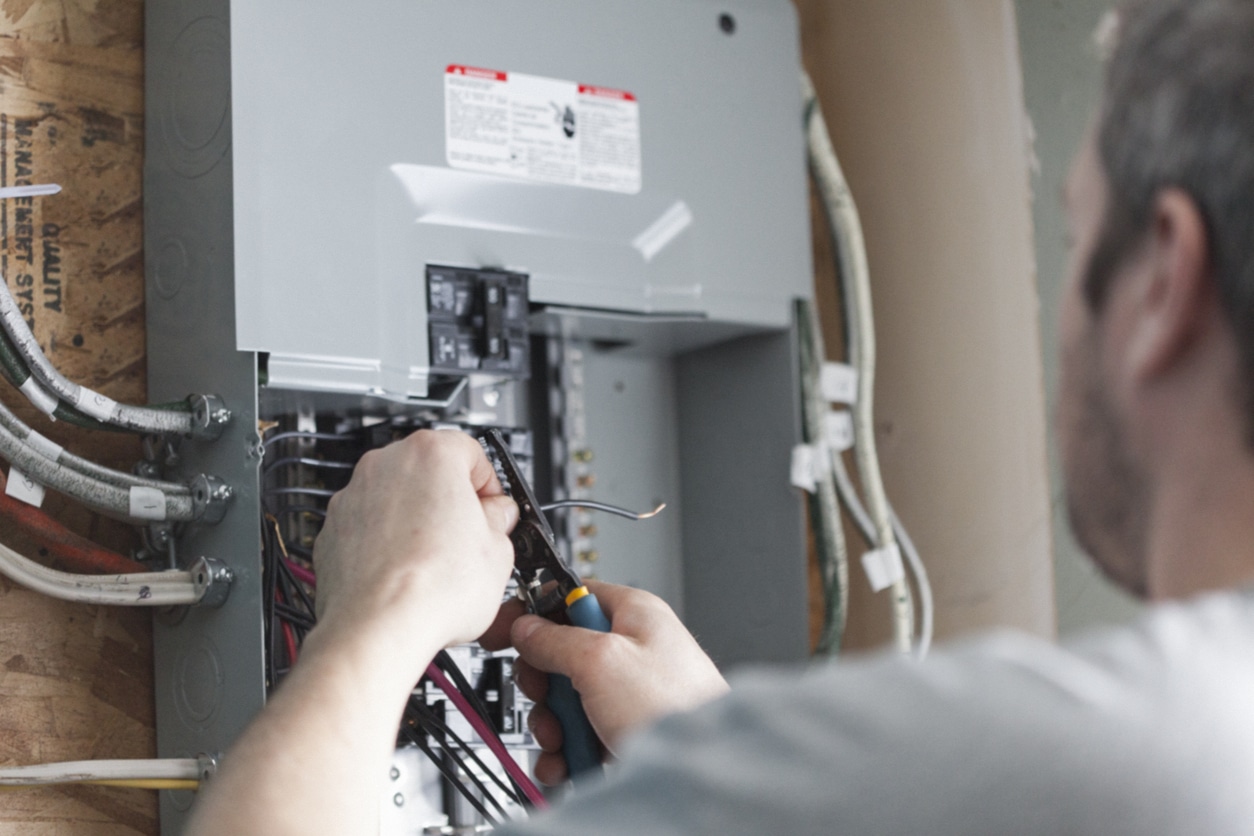
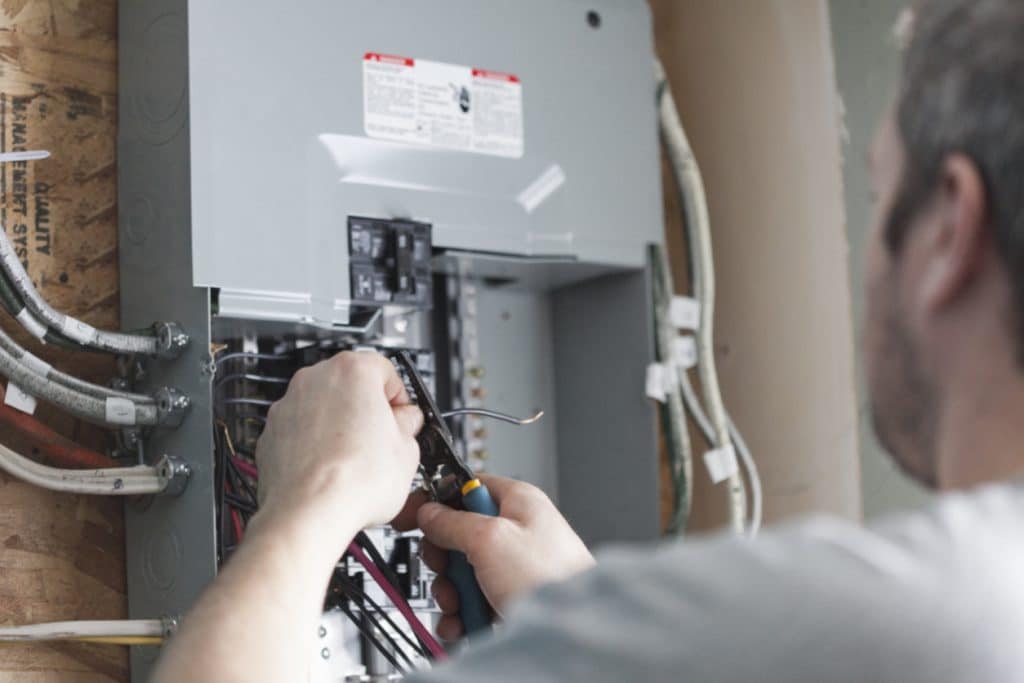
Before diving into warning signs, it helps to understand the role of your electrical panel. The main electrical panel receives power from the utility company and distributes it through individual circuits to different areas of your home or business. It also contains safety devices like circuit breakers designed to shut off power if a circuit becomes overloaded.
When your panel is outdated, damaged, or improperly functioning, it cannot effectively manage electrical flow. This increases the risk of power disruptions, equipment damage, and even electrical fires.
Frequent Circuit Breaker Trips
One of the most common and noticeable signs of panel trouble is circuit breakers that trip frequently. While an occasional trip is normal, repeated shutdowns are not.
Possible causes include:
- Overloaded circuits due to increased electrical demand
- Worn or failing breakers
- Internal damage due to loose connections
- A panel that is too small for your current needs
- Component damage or corrosion
If you find yourself constantly resetting breakers, your electrical panel may be struggling to keep up. This is especially common in older properties that were not designed to support modern appliances, smart devices, or commercial equipment.
Flickering or Dimming Lights
Lights that flicker or dim when appliances turn on can signal uneven power distribution. This often points to issues within the panel itself rather than the light fixtures.
You may notice:
- Lights dimming when HVAC systems start
- Flickering when large appliances are in use
- Inconsistent brightness throughout the property
These symptoms suggest that circuits are competing for power or that breakers are not regulating electricity properly. Left unaddressed, this can shorten the lifespan of your appliances and increase energy inefficiency.
Burning Smells or Scorch Marks
A burning odor coming from your electrical panel is never something to ignore. This smell often indicates overheating components, damaged wiring, or failing breakers.
Other visual warning signs include:
- Scorch marks or discoloration on the panel
- Melted insulation or wiring
- Warped or cracked breaker switches
These issues pose a serious fire risk and require immediate professional attention. If you notice any of these signs, it is best to stop using affected circuits and call a licensed electrician right away.
Warm or Hot Electrical Panel
Your electrical panel should remain cool to the touch. If it feels warm or hot, it may be overloaded or experiencing internal faults.
Common reasons include:
- Excessive electrical demand
- Loose or damaged wiring
- Aging components that no longer meet safety standards
Heat buildup is a major red flag and often indicates the need for repair or full replacement. Addressing this early can prevent severe damage and costly emergencies.
Buzzing or Crackling Sounds
Electrical panels should operate silently. Buzzing, humming, or crackling sounds can indicate loose connections, faulty breakers, or arcing electricity.
These sounds often mean:
- Electricity is jumping between connections
- Breakers are failing to seat properly
- Wiring insulation has deteriorated
Arcing is especially dangerous and significantly increases fire risk. Any unusual noise coming from your panel should be inspected by a professional electrician as soon as possible.
Outdated or Obsolete Panels
If your property still uses an older electrical panel, it may not meet current safety standards or support modern electrical loads. Some older panels are known to be particularly hazardous, or obsolete, and may even be uninsurable.
Examples of outdated systems include:
- Fuse boxes instead of circuit breakers
- Panels installed several decades ago
- Brands that have known safety defects
Modern electrical panels offer improved safety features, better efficiency, and the capacity to handle today’s energy demands. Upgrading an obsolete panel is an investment in safety, reliability, and long-term value.
Insufficient Power Capacity
Have you added new appliances, equipment, or technology to your property recently? If so, your panel may no longer have the capacity to support your needs.
Signs of insufficient capacity include:
- Breakers tripping when multiple devices run simultaneously
- Limited space for additional circuits
- Inability to install new appliances without issues
An electrical panel upgrade ensures your system can handle current and future demands without strain. This is especially important for growing businesses or homeowners planning renovations.
Rust, Corrosion, or Moisture Damage
Moisture is one of the biggest enemies of electrical systems. If your panel shows signs of rust or corrosion, it may have been exposed to water or excessive humidity.
Look for:
- Rusted breaker components
- Corrosion on wiring or panel housing
- Evidence of leaks near the panel
Moisture damage compromises the integrity of electrical connections and increases the likelihood of shorts or failures. In many cases, replacement is the safest solution.
Inconsistent Power or Electrical Surges
Frequent power surges can damage sensitive electronics and appliances. While external factors like storms can cause surges, recurring issues often point to panel problems.
You might notice:
- Electronics resetting unexpectedly
- Appliances failing prematurely
- Inconsistent power delivery
A well-functioning electrical panel helps regulate voltage and protect your equipment. If surges are common, it is time for a professional evaluation.
Difficulty Resetting Breakers
Breakers that will not reset or feel loose when toggled may be worn out or damaged. Over time, breakers lose their ability to trip and reset correctly.
This can result in:
- Circuits that do not shut off during overloads
- Increased fire risk
- Unreliable power distribution
Replacing individual breakers may help temporarily, but widespread issues often indicate that the entire panel is nearing the end of its lifespan.
Age of the Electrical Panel
Most electrical panels are designed to last between 25 and 40 years. As they age, components degrade, and safety standards evolve.
If your panel is approaching or exceeding this range, proactive replacement can:
- Improve safety and reliability
- Reduce the risk of unexpected failures
- Increase property value
- Ensure compliance with current electrical codes
An aging panel may still function, but that does not mean it is safe or efficient.
Why Prompt Action Matters
Ignoring electrical panel issues can lead to:
- Fire hazards
- Power outages
- Damage to appliances and equipment
- Costly emergency repairs
- Business downtime or disrupted daily routines
Addressing problems early allows for planned repairs or upgrades rather than stressful emergencies. Professional electricians can assess whether repair or replacement is the best option for your situation.
Repair or Replacement: Which Is Right for You
Not every issue requires a full panel replacement. Minor problems, such as a single faulty breaker or loose connection, can often be repaired. However, replacement is typically recommended when:
- The panel is outdated or undersized
- A panel brand is known to be dangerous or obsolete
- There is extensive corrosion or damage
- Safety concerns are present
- You need more capacity for future growth
A licensed electrician can guide you through the decision with transparency and expertise.
The Benefits of a New Electrical Panel
Upgrading your electrical panel offers several advantages:
- Enhanced safety and fire protection
- Improved energy efficiency
- Reliable power distribution
- Support for modern appliances and technology
- Peace of mind, knowing your system is up to code
For businesses, this also means smoother operations and reduced risk of interruptions.
Partner with Experts You Can Trust
Electrical work is not a DIY task. It requires specialized training, proper tools, and in-depth knowledge of local codes and safety standards. Choosing the right electrical partner makes all the difference.
Don’t wait for electrical mishaps to disrupt your daily routine or business operations. Take charge and partner with Power Pros Electric, the premier choice for all your electrical needs in Murrieta and the surrounding areas. Our experienced electricians are ready to perform meticulous inspections, swift repairs, and comprehensive upgrades. Whether you’re tackling immediate electrical challenges or planning for future enhancements, reach out to Power Pros Electric’s team of electricians today.
Contact us to schedule your service and experience professional, friendly, and reliable electrical solutions that keep your property powered safely and efficiently.