
Older homes often have charm, character, and craftsmanship that newer construction sometimes lacks. From original hardwood floors to intricate trim work, these homes offer a sense of history that many homeowners love. However, along with their beauty comes a hidden challenge that many people overlook: old home electrical issues. Electrical systems installed decades ago were not designed to handle the demands of modern appliances, electronics, and safety expectations. As a result, many older homes face electrical concerns that can affect safety, reliability, and even insurance eligibility.
Understanding these potential problems can help homeowners take proactive steps to protect their property and family. By recognizing warning signs and collaborating with professional electricians, it is possible to modernize aging systems while preserving the home’s charm.
Below, we explore some of the most common electrical concerns found in older properties, the reasons why these systems fail over time, and how homeowners can effectively address these risks.
Common Old Home Electrical Issues
Homes built several decades ago were designed for a much different electrical load than what most households use today. Early electrical systems supported minimal lighting and a few basic appliances. Today’s homes rely on computers, televisions, HVAC systems, smart devices, and high-powered kitchen equipment. When older electrical infrastructure is forced to support modern usage, problems can arise.
Here are several common issues electricians frequently find in aging homes.
Outdated Wiring Materials
One of the most significant concerns in older homes involves outdated wiring materials. Electrical technology has evolved significantly over the years, and materials once considered standard may now pose safety risks.
Some older homes still contain wiring types that are no longer recommended or allowed by modern building codes.
Examples include:
- Knob and tube wiring used in homes built before the 1940s
- Aluminum wiring commonly installed during the 1960s and 1970s
- Cloth-insulated wiring that deteriorates with age
These materials can cause several issues:
- Insulation breakdown that exposes live wires
- Increased risk of overheating
- Loose connections that lead to arcing
- Difficulty meeting modern electrical loads
Knob and tube wiring, for example, was originally designed for low electricity usage and lacks a grounding conductor. While it may still function in some homes, it cannot safely support modern appliances and may create insurance challenges.
Aluminum wiring presents another concern because it expands and contracts more than copper. This movement can loosen connections over time, increasing the risk of overheating and potential fire hazards.
Upgrading to modern copper wiring and compliant electrical components is often one of the best investments homeowners can make to improve safety and reliability.
Insufficient Grounding
Grounding is a critical component of modern electrical safety systems. It provides a safe pathway for excess electricity to travel into the earth in the event of a fault, helping to prevent shocks, fires, and equipment damage.
Many older homes were built before grounding became a standard safety feature. As a result, they may have:
- Two-prong outlets instead of three-prong grounded outlets
- Electrical panels without proper grounding connections
- Ungrounded circuits throughout the home
Without adequate grounding, electrical systems cannot safely redirect stray electrical current. This increases the risk of:
- Electrical shock
- Damage to electronics and appliances
- Fire hazards caused by electrical faults
Modern homes rely on grounding to protect sensitive electronics such as computers, televisions, and smart home devices. Installing grounded outlets, upgrading wiring, and ensuring the main electrical panel is properly grounded can significantly improve safety in older homes.
Modern Safety Expectations vs Legacy Systems
Electrical codes and safety standards have evolved dramatically over the past several decades. Systems that were once acceptable may no longer meet current safety expectations.
Many older homes lack the protective features now considered essential.
Examples include:
- Ground fault circuit interrupters (GFCIs) in kitchens, bathrooms, and outdoor areas
- Arc fault circuit interrupters (AFCIs) that detect dangerous electrical arcs
- Surge protection devices that shield appliances from voltage spikes
Older electrical panels may also struggle to meet today’s power demands. Some panels installed decades ago have limited circuit capacity or outdated components that are no longer manufactured.
Signs that a legacy system may be struggling include:
- Frequently tripping breakers
- Flickering lights
- Warm outlets or switches
- Overloaded circuits using multiple extension cords
Updating an electrical panel and adding modern safety devices can greatly improve both safety and performance. These upgrades also help bring older homes closer to modern code standards.
Why Older Electrical Systems Fail
Electrical systems are designed to last for many years, but no infrastructure lasts forever. As homes age, several factors contribute to the deterioration of electrical components.
Understanding why systems fail can help homeowners identify potential risks before they become serious problems.
Natural Wear and Aging
Over time, insulation materials break down and electrical connections loosen. Heat cycles from daily electricity usage gradually weaken wires, terminals, and devices.
This natural aging process can cause:
- Cracked or brittle insulation
- Loose connections
- Increased electrical resistance
- Heat buildup in wiring
Even a well-maintained electrical system can eventually degrade after decades of use.
Increased Electrical Demand
When many older homes were built, households used far fewer electrical devices. A typical home might have had a refrigerator, basic lighting, and a few outlets.
Today’s homes commonly run:
- Multiple televisions
- High-power kitchen appliances
- HVAC systems
- Home offices and computers
- Electric vehicle chargers
These modern loads can strain older electrical infrastructure that was never designed for such demand. Circuits may become overloaded, increasing the likelihood of tripped breakers, overheating wires, or system failures.
Improper DIY Repairs
Over the years, homeowners may attempt electrical repairs or modifications themselves. While some small tasks are manageable, improper work can introduce serious safety hazards.
Examples include:
- Incorrect wire connections
- Overloaded circuits
- Incompatible electrical components
- Bypassed safety devices
These mistakes may remain hidden for years until they cause performance issues or safety concerns. A professional electrical inspection can uncover these hidden risks.
Addressing Electrical Risks in Aging Homes
The good news is that most electrical concerns in older homes can be resolved with professional upgrades and improvements. Modernizing electrical infrastructure not only improves safety but also enhances convenience and efficiency.
Here are several steps homeowners can take to address aging electrical systems.
Schedule a Professional Electrical Inspection
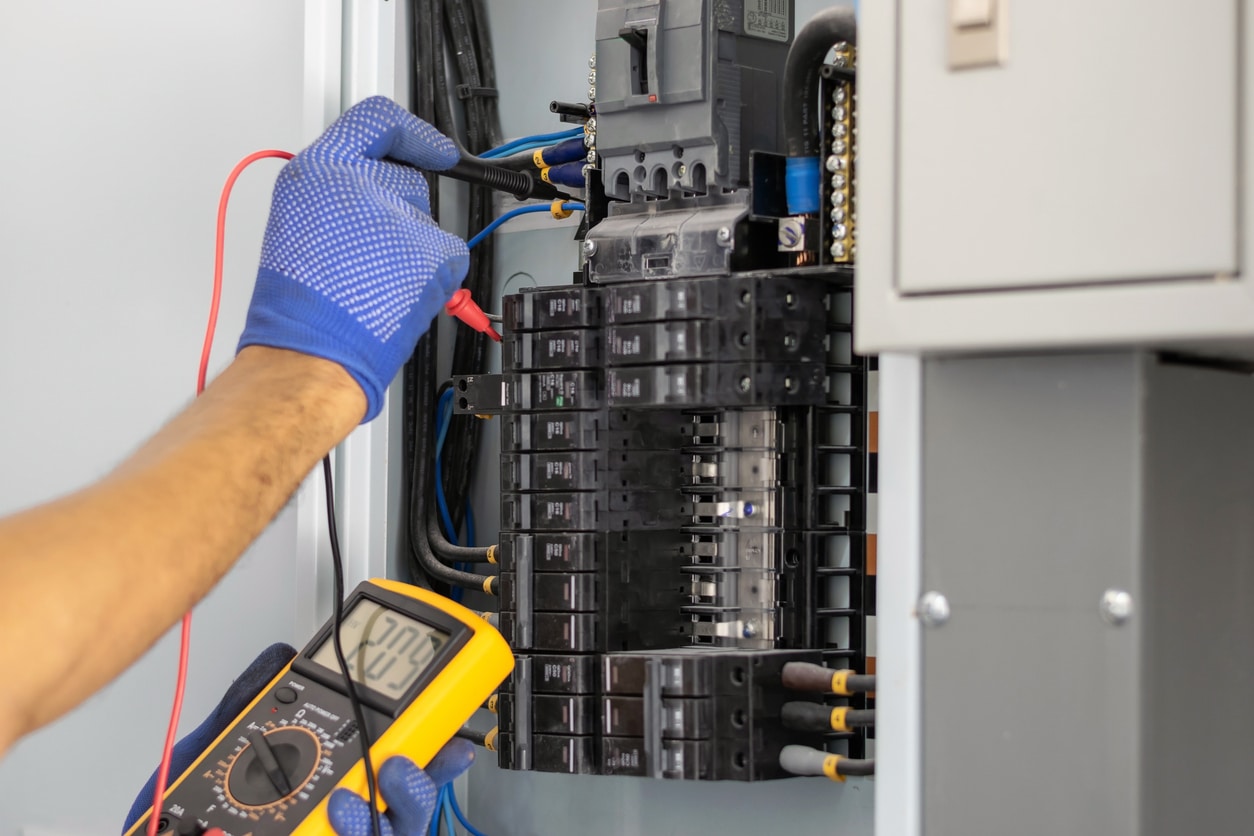
The first step in addressing old home electrical issues is a comprehensive inspection by a licensed electrician. A professional assessment can identify outdated components, potential hazards, and opportunities for improvement.
An inspection typically evaluates:
- Wiring condition and materials
- Electrical panel capacity and condition
- Grounding systems
- Outlet and switch safety
- Compliance with modern electrical standards
With this information, homeowners can prioritize upgrades and plan improvements strategically.
Upgrade the Electrical Panel
Many older homes have electrical panels that are undersized for modern electrical needs. Upgrading the panel can provide additional circuit capacity and improved safety features.
Benefits of panel upgrades include:
- Reduced circuit overloads
- Increased electrical reliability
- Compatibility with modern appliances
- Improved safety protection
Panel upgrades are often necessary when adding new appliances, remodeling, or installing electric vehicle chargers.
Replace Outdated Wiring
If a home still contains knob and tube or aluminum wiring, replacement is often recommended. Rewiring the home with modern copper conductors improves safety and ensures compatibility with today’s electrical standards.
Although rewiring may require an investment, it significantly reduces fire risks and can increase property value.
Install Modern Safety Devices
Adding modern protective technology is one of the easiest ways to improve electrical safety.
Electricians can install:
- GFCI outlets in moisture-prone areas
- AFCI breakers to detect electrical arcing
- Whole home surge protection
- Smoke and carbon monoxide detectors integrated with the electrical system
These upgrades help protect both people and property.
Improve Outlet Accessibility
Older homes often have fewer outlets than modern homes. This can lead homeowners to rely heavily on extension cords and power strips, which can overload circuits.
Adding additional outlets throughout the home can improve convenience while reducing electrical strain.
Frequently Asked Questions
How can I tell if my home has outdated wiring?
Signs of outdated wiring include two-prong outlets, flickering lights, warm outlets, frequent breaker trips, or visible cloth-insulated wiring in attics or basements. A licensed electrician can confirm the wiring type during a professional inspection.
Is knob and tube wiring dangerous?
Knob and tube wiring is not inherently unsafe when properly maintained, but it lacks grounding and insulation designed for modern electrical loads. Many electricians recommend replacing it to improve safety and compatibility with current electrical standards.
Can older electrical panels cause insurance problems?
Yes. Some insurance companies may hesitate to insure homes with outdated panels or wiring systems due to increased fire risk. Upgrading electrical infrastructure can improve insurability and peace of mind.
How often should older homes have electrical inspections?
Homes over 30 years old should generally have an electrical inspection every few years or whenever major renovations or appliance upgrades occur.
Are electrical upgrades worth the investment?
Yes. Electrical upgrades improve safety, increase home value, enhance convenience, and support modern appliances and technology.
Power Pros Electric Is Ready to Help
Electrical problems should never be ignored, especially in older homes where aging systems can pose hidden risks. The right upgrades and inspections can transform an outdated electrical system into a safe, reliable infrastructure that supports modern living.
Don’t wait for electrical mishaps to disrupt your daily routine or business operations. Take charge and partner with Power Pros Electric, the premier choice for all your electrical needs in Murrieta and the surrounding areas.
Our experienced electricians are ready to perform meticulous inspections, swift repairs, and comprehensive upgrades. Whether you’re tackling immediate electrical challenges or planning for future enhancements, reach out to Power Pros Electric’s team of electricians today.
Contact us to schedule your service and ensure your home’s electrical system is safe, efficient, and ready for the future.