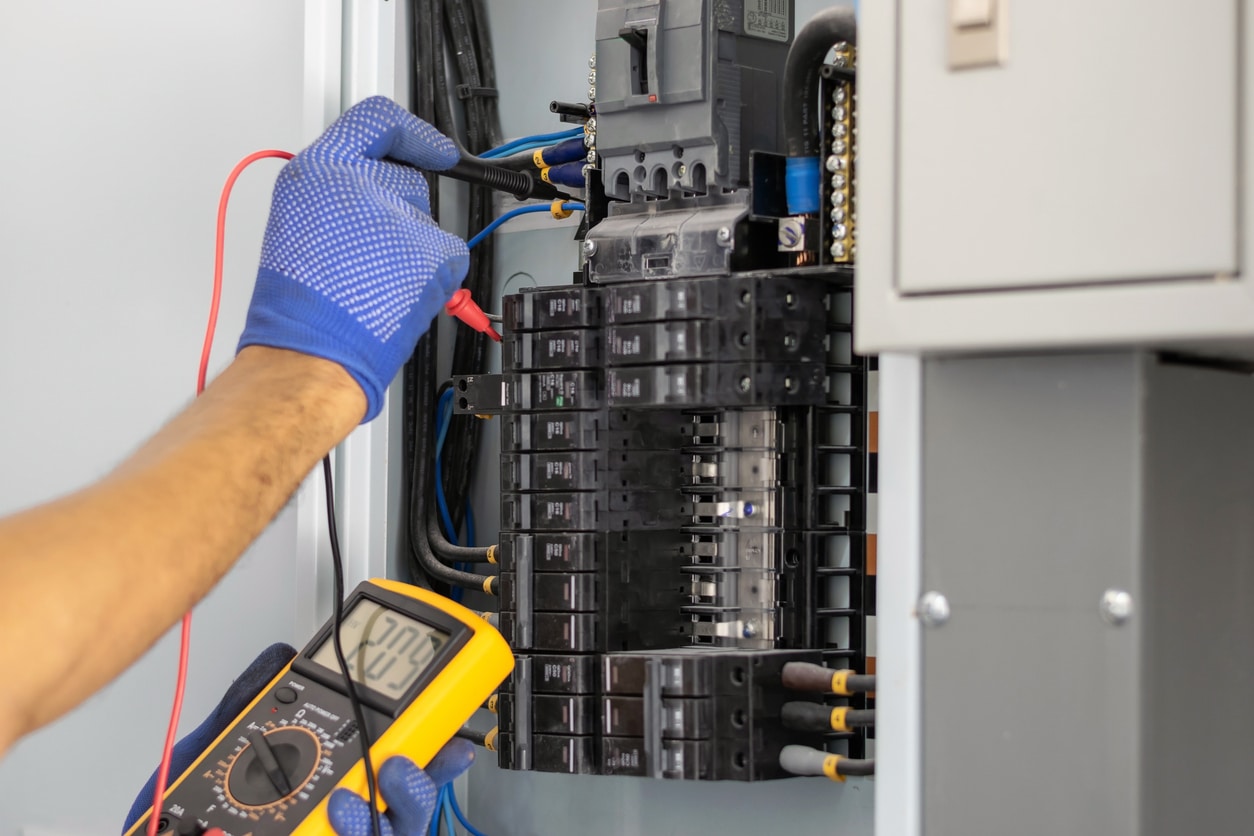
Choosing the right electrical panel capacity is one of those home improvement decisions that may not sound glamorous at first, but it can make a huge difference in how safely, smoothly, and comfortably your home runs every day. Think of your electrical panel as the control center for your home’s power. It distributes electricity to your lights, appliances, outlets, HVAC system, home office equipment, entertainment setup, and all the modern conveniences you rely on. When that panel is the right size, everything works more efficiently. When it is too small, your home may struggle to keep up, and that can lead to tripped breakers, flickering lights, limited appliance use, and potential safety concerns.
Modern homes are using more electricity than ever. Between electric vehicles, smart home devices, high-efficiency HVAC systems, hot tubs, pool equipment, larger kitchens, home offices, and upgraded laundry appliances, today’s electrical needs look very different from those of homes built decades ago. That is why many homeowners are asking an important question: What size electrical panel do you really need for a modern home?
The answer depends on several factors, including the size of your home, the number of appliances you use, your future plans, and whether your current panel can safely support your electrical demand. While some homes may still operate on a 100 amp panel, many modern homes benefit from 200 amp service or larger, especially when upgrades are planned.
Choosing the Right Electrical Panel Capacity
Electrical panels are typically measured in amps, which indicate how much electrical current the panel can safely handle. Common residential panel sizes include 100 amp, 150 amp, 200 amp, and in some larger or more power-hungry homes, 300 amp or 400 amp service.
For many older homes, a 100 amp panel was once considered sufficient. It could power basic lighting, standard appliances, and everyday electrical needs. However, as technology and lifestyle habits have changed, 100 amps may no longer be enough for homes with multiple high-demand systems.
A 200 amp panel is often considered the modern standard for many single-family homes. It provides more room for today’s electrical needs and gives homeowners flexibility for future upgrades. If you are remodeling a kitchen, adding a room, installing an EV charger, upgrading HVAC equipment, or adding outdoor living features, a larger panel can help keep your home ready for what comes next.
When choosing the right electrical panel capacity, electricians often consider:
- The square footage of the home
- The number of major appliances
- Heating and cooling systems
- Electric water heaters or dryers
- EV charger requirements
- Pool, spa, or hot tub equipment
- Home office or workshop needs
- Planned renovations or additions
- Local electrical code requirements
- Available panel space for new circuits
The goal is not just to meet your current needs. It is to make sure your electrical system can support your lifestyle safely and conveniently for years to come.
100 Amp vs. 200 Amp Panel Differences
One of the most common questions homeowners ask is whether they need a 100 amp or 200 amp electrical panel. The difference comes down to capacity, flexibility, and future readiness.
A 100 amp panel may be acceptable for smaller homes with limited electrical needs. For example, a compact home with gas appliances, no EV charger, no central air conditioning, and minimal high-demand equipment may still operate safely on 100 amps, assuming the panel is in good condition and properly installed.
A 200 amp panel, on the other hand, provides significantly more capacity. It can better support larger homes, modern appliances, electric heating or cooling systems, and multiple circuits without constantly pushing the system near its limit.
Here is a simple comparison:
- 100 amp panel: Often found in older or smaller homes, may support basic electrical needs, limited room for expansion, may not be ideal for modern upgrades.
- 200 amp panel: Common in modern homes, better for larger appliance loads, supports EV chargers and home additions more easily, offers more flexibility for future improvements.
The key advantage of a 200 amp panel is breathing room. You may not use all 200 amps at once, but the added capacity allows your electrical system to handle multiple demands more comfortably. That can be especially important if your household has several people using appliances, devices, and systems at the same time.
For example, imagine running your air conditioner, electric dryer, oven, dishwasher, computers, televisions, and EV charger all in one evening. A smaller panel may have trouble keeping up, while a properly sized 200 amp panel is generally better equipped for a busy modern household.
How Electrical Panel Size Affects Your Home
Your electrical panel size affects more than just how many breakers can fit inside the box. It can influence convenience, performance, safety, and even the long-term value of your home.
When a panel is properly sized, power is distributed more reliably throughout the home. Lights stay steady, appliances operate as expected, and circuits are less likely to become overloaded. A properly sized panel also makes it easier to add new electrical features without major limitations.
When a panel is undersized, daily life can become frustrating. You may find yourself avoiding certain appliance combinations, resetting breakers often, or wondering why lights flicker when the air conditioner turns on. These symptoms can be more than annoying. They may indicate that your electrical system is under strain.
Panel size can affect your home in several important ways:
- Safety: An overloaded system can increase the risk of overheating, damaged wiring, and electrical hazards.
- Convenience: Larger panels allow more circuits, which means fewer overloaded areas and less breaker tripping.
- Home improvement flexibility: A properly sized panel makes it easier to complete remodels, additions, and appliance upgrades.
- Technology readiness: Smart home systems, security equipment, and connected devices all add to electrical demand.
- Resale appeal: Buyers often appreciate homes with updated electrical systems, especially when the home is ready for modern living.
A panel upgrade is not just about adding more power. It is about creating a safer and more capable electrical foundation for your home.
How Appliances Impact Electrical Demand
Appliances are one of the biggest reasons homeowners need to think carefully about panel size. Modern appliances are efficient, but many still require dedicated circuits and significant power. Kitchens, laundry rooms, garages, and outdoor living areas can all place major demands on your electrical system.
High-demand appliances and systems may include:
- Electric ovens and cooktops
- Refrigerators and freezers
- Dishwashers
- Microwaves
- Electric dryers
- Electric water heaters
- Central air conditioning systems
- Heat pumps
- EV chargers
- Hot tubs and spas
- Pool pumps
- Garage workshop equipment
- Home theater systems
- Backup battery systems
A single appliance may not overload your panel, but the combined demand of multiple appliances can add up quickly. This is especially true in households where several systems run at the same time.
For example, your kitchen may need multiple dedicated circuits for cooking appliances, refrigeration, and countertop outlets. Your laundry area may require dedicated power for a washer and dryer. Your garage may need capacity for tools, a freezer, or an EV charger. Add air conditioning, entertainment systems, computers, and outdoor lighting, and the electrical load can become much more complex.
That is why electricians perform load calculations before recommending a panel size. A load calculation evaluates how much power your home is likely to use based on its features, equipment, and electrical code requirements. This helps determine whether your current panel is adequate or whether an upgrade is the smarter choice.
When to Upgrade to a Larger Panel
Upgrading to a larger electrical panel is often a smart move when your home’s electrical needs have grown beyond what the current system was designed to handle. It is also a good idea when you are planning improvements that will add new electrical demand.
Many homeowners wait until they experience problems before considering an upgrade, but proactive planning can help prevent inconvenience and safety risks. If you know you are going to install a new HVAC system, add an EV charger, remodel your kitchen, or build an addition, it is wise to have your electrical panel inspected early in the process.
You may need a panel upgrade if you are planning:
- A kitchen remodel with new appliances
- A garage conversion or room addition
- A new electric vehicle charger
- A hot tub, spa, or pool equipment installation
- A home office with additional equipment
- A switch from gas to electric appliances
- New HVAC or heat pump equipment
- Solar panel or battery backup installation
- More outdoor lighting or landscape features
- A workshop with power tools or machinery
A larger panel can also help if your current panel is outdated, damaged, or no longer compliant with modern safety standards. Some older electrical panels may have limited breaker space, worn components, or designs that are no longer considered reliable. In those cases, upgrading is about both capacity and safety.
Signs Your Panel Is Undersized
An undersized electrical panel often gives warning signs. Some are obvious, while others are easy to overlook. Paying attention to these clues can help you know when it is time to call a licensed electrician.
Common signs your panel may be undersized include:
- Breakers trip frequently
- Lights flicker or dim when appliances turn on
- The panel feels warm to the touch
- You hear buzzing or crackling near the panel
- You rely on extension cords or power strips often
- Appliances do not run as efficiently as expected
- You do not have enough breaker space for new circuits
- Your home still has an older 60 amp or 100 amp service
- You are adding major appliances or electrical equipment
- You smell burning or notice discoloration near outlets or the panel
Some of these signs may point to serious electrical issues. A warm panel, burning smell, buzzing sounds, or scorch marks should never be ignored. These can indicate unsafe conditions that need professional attention right away.
Even if your home seems to be operating normally, an inspection can reveal whether your panel is working within safe limits. This is especially important if you live in an older home or are planning upgrades.
Why Modern Homes Often Need More Power
Today’s homes are not just places to sleep and cook. They are offices, entertainment centers, charging stations, fitness spaces, workshops, and smart technology hubs. A family may have multiple computers, large televisions, gaming systems, security cameras, smart thermostats, phone chargers, kitchen appliances, and climate control systems all running throughout the day.
At the same time, more homeowners are moving toward electric living. Electric vehicles, electric water heaters, induction cooktops, heat pumps, and battery backup systems are becoming more common. These upgrades can be excellent for comfort, efficiency, and convenience, but they also increase the need for proper electrical planning.
A home that was built decades ago may not have been designed for this kind of electrical demand. That does not mean the home is a problem. It simply means the electrical system may need to evolve with the way you live.
Upgrading your panel can help your home feel more capable and less restricted. Instead of wondering whether a new appliance will be too much for your system, you can move forward with greater confidence.
The Benefits of Upgrading Your Electrical Panel
A panel upgrade can be one of the most practical improvements you make to your home. While it may not be as visible as new flooring or countertops, it supports nearly everything else you do in the home.
Benefits of upgrading may include:
- More reliable power throughout the home
- Fewer nuisance breaker trips
- Increased capacity for appliances and devices
- Greater support for renovations and additions
- Improved electrical safety
- Better compatibility with EV chargers
- More room for dedicated circuits
- Stronger long-term home functionality
- Potentially improved buyer confidence during resale
It can also give you peace of mind. Knowing your electrical system has been professionally evaluated and upgraded can make everyday life easier, especially in a busy household where power demand is always changing.
Why Professional Panel Sizing Matters
Electrical panel sizing is not guesswork. A licensed electrician can evaluate your current panel, inspect your wiring, review your appliance load, and determine whether your system is properly sized. They can also identify code concerns, outdated components, and opportunities to make your system safer and more efficient.
Professional guidance is especially important because bigger is not always automatically better. The right solution depends on your home, your utility service, your local code requirements, and your specific electrical goals. In some cases, a 200 amp panel may be ideal. In others, a different solution may be recommended.
A professional electrician can help answer questions such as:
- Is my current panel safe?
- Do I have enough capacity for new appliances?
- Can I install an EV charger?
- Do I need a full panel replacement or a subpanel?
- Is my wiring compatible with my upgrade plans?
- What size panel makes sense for future improvements?
That kind of expert input helps you make a smart investment rather than a rushed decision.
FAQ
What size electrical panel is best for a modern home?
Many modern single-family homes use a 200 amp electrical panel because it provides strong capacity for appliances, HVAC systems, electronics, and future upgrades. Smaller homes with lower electrical demand may still be fine with 100 amps, but an electrician should confirm this with a load calculation.
Is a 100 amp panel enough for my house?
A 100 amp panel may be enough for a smaller home with modest electrical needs, especially if major appliances use gas rather than electricity. However, it may not be ideal if you have central air conditioning, electric appliances, an EV charger, or plans for remodeling.
When should I upgrade from 100 amps to 200 amps?
You should consider upgrading when you add high-demand equipment, experience frequent breaker trips, run out of panel space, or plan major renovations. An upgrade may also be recommended if your panel is outdated or showing signs of wear.
Do I need a 200 amp panel for an EV charger?
Many EV chargers work best with a home electrical system that has enough available capacity. A 200 amp panel is often helpful, but the right answer depends on your existing load, charger type, and available circuit space.
Can an undersized panel be dangerous?
Yes, an undersized or overloaded electrical panel can create safety risks, especially if circuits are strained or components are outdated. Warning signs like heat, buzzing, burning smells, or frequent breaker trips should be checked by a licensed electrician.
How do electricians determine the right panel size?
Electricians perform a load calculation that considers your home’s square footage, appliances, HVAC system, dedicated circuits, and planned electrical additions. This helps determine whether your current panel is sufficient or whether an upgrade is needed.
Will upgrading my electrical panel increase home value?
An upgraded electrical panel can improve your home’s functionality and appeal, especially for buyers who want modern appliances, EV charging, or renovation flexibility. While value depends on the market, updated electrical infrastructure is often a strong selling point.
Power Up Your Home with Power Pros Electric
Your electrical panel may not be the flashiest part of your home, but it is one of the most important. The right panel size helps keep your home safer, more reliable, and ready for the way you live today. Whether you are adding new appliances, planning a remodel, preparing for an EV charger, or simply tired of tripped breakers, a professional panel inspection can help you make the right next move.
Don’t wait for electrical mishaps to disrupt your daily routine or business operations. Take charge and partner with Power Pros Electric, the premier choice for all your electrical needs in Murrieta and the surrounding areas. Our experienced electricians are ready to perform meticulous inspections, swift repairs, and comprehensive upgrades. Whether you’re tackling immediate electrical challenges or planning for future enhancements, reach out to our team of electricians today.
Contact us today to schedule your electrical panel inspection, repair, or upgrade and get your home ready for modern power needs.