
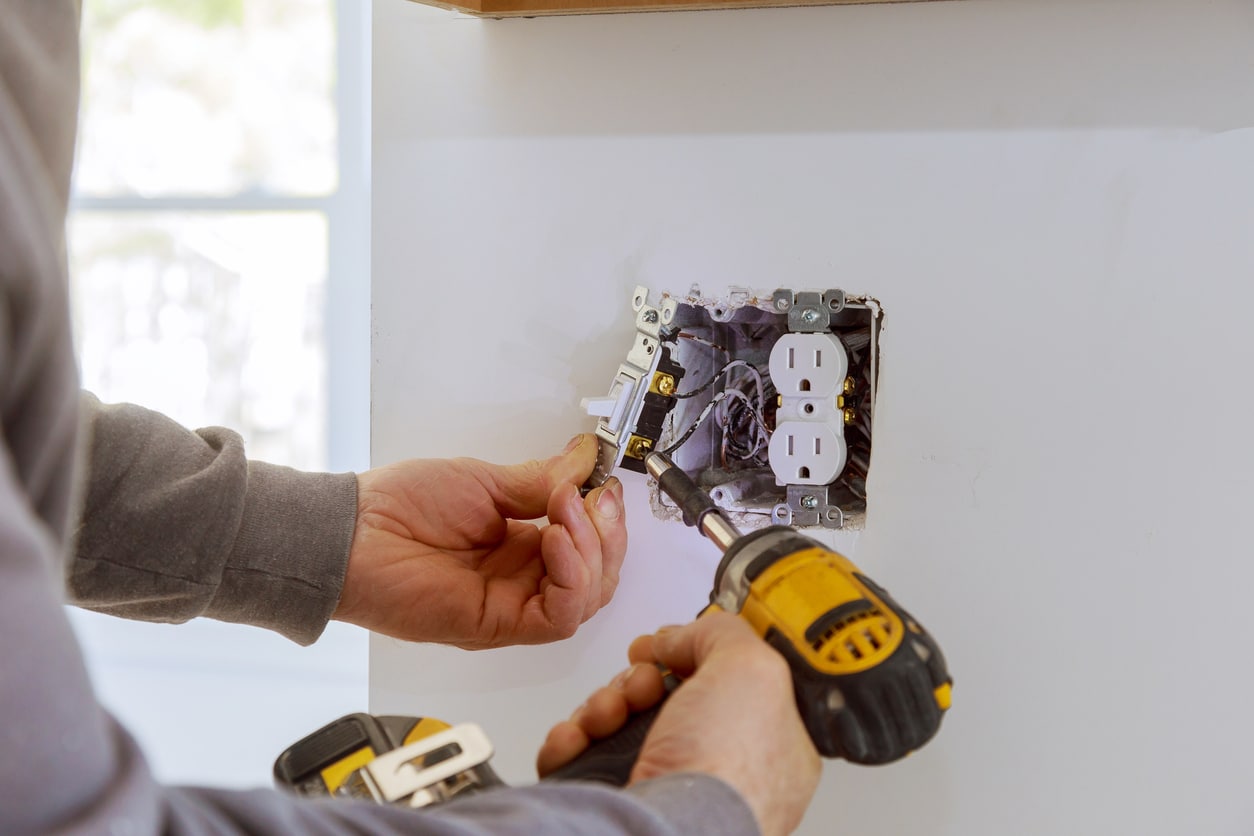
When electrical outlet problems show up, they can turn a normal day into a frustrating scavenger hunt for power. One minute, your phone charger, lamp, coffee maker, computer, or shop equipment works just fine, and the next, the outlet is completely dead. While a non-working outlet may seem like a small inconvenience, it can point to anything from a simple tripped GFCI to a hidden wiring issue that needs professional attention. The good news is that many outlet failures have common causes, and knowing what to look for can help you respond quickly, safely, and confidently.
Electrical outlets work hard every day. They power home offices, kitchens, living rooms, garages, workshops, retail spaces, and commercial equipment. Because they are used so often, outlets can wear out, loosen, overheat, or stop working due to changes elsewhere in the electrical system. Some problems are easy to reset. Others should be handled by a licensed electrician, especially when there is heat, sparking, burning smells, repeated breaker trips, or visible damage.
This guide walks through common causes of outlet failures, safe troubleshooting steps, signs you need professional outlet repair, and what to expect when replacing or repairing outlets. Whether you are dealing with one dead outlet or several outlets that suddenly stopped working, understanding the issue is the first step toward getting power restored safely.
Electrical Outlet Problems and What Causes Them
Outlet issues can happen in homes and businesses of any age, but they are especially common in older properties, heavily used rooms, and areas exposed to moisture. Sometimes the outlet itself is the problem. Other times, the outlet is only the visible symptom of a larger electrical issue.
Common causes of outlets not working include:
- A tripped circuit breaker
- A tripped GFCI outlet
- Loose wiring connections
- A worn-out outlet
- Overloaded circuits
- Damaged wiring behind the wall
- Moisture exposure
- Burned or melted outlet components
- Faulty switches controlling the outlet
- Poor installation or outdated electrical work
A dead outlet is not always dangerous, but it should never be ignored. Electrical systems are designed with safety features that shut down power when something is wrong. If an outlet stops working, it may be because your system is preventing a bigger problem.
For example, a tripped breaker may mean the circuit was overloaded. A GFCI outlet may shut off because it detected a ground fault. A loose wire may prevent power from reaching the receptacle. A worn outlet may no longer grip plugs securely, which can create heat and increase fire risk over time.
One of the most important things to remember is that electrical problems are not always isolated. An outlet in one room may be connected to outlets in another room. A GFCI in a bathroom, kitchen, garage, or exterior area may control multiple downstream outlets. That means the outlet you see may not be the only place to check.
GFCI Outlet Issues Explained
GFCI stands for ground fault circuit interrupter. These outlets are designed to protect people from electrical shock, especially in areas where water and electricity may be close together. You usually find GFCI outlets in bathrooms, kitchens, laundry rooms, garages, basements, crawl spaces, and outdoor locations.
A GFCI outlet monitors the electrical current flowing through the circuit. If it detects an imbalance, it quickly cuts power. This can happen because of moisture, a faulty appliance, damaged wiring, or a ground fault.
If a GFCI outlet trips, outlets connected to it may stop working too. This often surprises homeowners because the dead outlet may not have a reset button on it. The reset button may be located somewhere else on the same circuit.
Look for GFCI outlets in nearby areas and press the “reset” button. If the outlet clicks and power returns, the issue may have been a simple trip. However, if the GFCI trips again immediately or will not reset, there may be a deeper problem.
Common GFCI issues include:
- The outlet has reached the end of its service life
- Moisture has entered the outlet box
- A plugged-in device is faulty
- The wiring is incorrect or damaged
- The GFCI is protecting too many downstream outlets
- The circuit has a ground fault that needs professional testing
GFCI outlets are important safety devices, so they should not be bypassed or ignored. If yours keeps tripping, that is your electrical system asking for attention.
Wiring Problems Behind the Wall
Sometimes the outlet looks perfectly normal on the outside, but the issue is hidden behind the wall. Wiring problems can develop because of age, poor installation, vibration, overheating, pests, remodeling work, or loose connections.
Loose wiring is one of the more common causes of outlet failure. Over time, wire connections can loosen at the outlet terminals or inside the electrical box. When that happens, power may become intermittent, weak, or completely unavailable.
Signs of wiring problems behind the wall include:
- Outlets that work sometimes but not always
- Flickering lights on the same circuit
- Crackling, buzzing, or popping sounds
- Warm outlet covers
- Burn marks around the receptacle
- A breaker that trips repeatedly
- A burning smell near an outlet
- Multiple outlets losing power at once
These symptoms should be taken seriously. Loose or damaged wiring can create arcing, which happens when electricity jumps across a gap. Arcing generates heat and can become a fire hazard if left unresolved.
Older wiring may also be a factor. Some older homes have outdated systems that were not designed for today’s electrical demands. Modern households use computers, charging stations, large appliances, entertainment systems, smart devices, and home office equipment. Businesses may rely on point-of-sale systems, lighting, refrigeration, tools, computers, and other equipment that place steady demand on circuits.
When wiring is hidden behind the wall, guessing is not a safe strategy. A licensed electrician can test the circuit, inspect the outlet box, identify failed connections, and make repairs that meet current safety standards.
How to Troubleshoot Dead Outlets
Before calling an electrician, there are a few safe troubleshooting steps you can try. The key word is safe. Never remove an outlet cover, touch wiring, or attempt repairs unless you are trained and qualified to work with electricity.
Start with the basics:
- Test the device. Plug the lamp, charger, or appliance into another outlet you know is working. Sometimes the device is the problem, not the outlet.
- Try another device in the outlet. Use a small lamp or phone charger to check whether the outlet is actually dead.
- Check nearby outlets. If several outlets are dead, the issue may be with a circuit, breaker, or GFCI.
- Look for a tripped GFCI. Check bathrooms, kitchens, garages, laundry areas, outdoor outlets, and utility spaces.
- Check the breaker panel. Look for a breaker that has shifted to the middle or “off” position. Reset it by switching it fully off, then back on.
- Check wall switches. Some outlets are controlled by switches, especially in bedrooms and living rooms.
- Inspect for visible damage. Look for discoloration, cracks, loose plugs, melting, or scorch marks.
If the breaker resets and the outlet works normally, you may be back in business. If the breaker trips again, stop resetting it. Repeated trips mean something is wrong, and forcing the circuit back on can increase risk.
You should also stop using the outlet if you notice:
- Sparks when plugging in or unplugging devices
- Smoke or burning smells
- Heat coming from the outlet or wall plate
- Buzzing or sizzling sounds
- Loose plugs that fall out
- Black or brown marks on the outlet
- Power that cuts in and out
A good rule of thumb is simple: if the issue feels unusual, unsafe, or recurring, it is time to call a professional.
For businesses, outlet failures can be even more disruptive. A single dead outlet may affect computers, printers, payment systems, lighting, kitchen equipment, or tools. Troubleshooting should happen quickly, but safety should always come first. Professional outlet repair can reduce downtime and help prevent a small electrical issue from turning into a bigger operational headache.
When Outlet Repairs Require an Electrician
Some outlet issues are simple, but many repairs should be handled by a licensed electrician. Electricity is not something to gamble with, especially when wiring, circuits, moisture, or heat are involved.
Call an electrician when:
- An outlet is warm or hot to the touch
- The outlet sparks frequently
- You smell burning plastic or smoke
- The breaker trips repeatedly
- A GFCI will not reset
- Multiple outlets stop working
- The outlet is cracked, loose, or discolored
- Plugs fall out easily
- You need outlets added or upgraded
- You have older two-prong outlets
- You suspect wiring damage
- You need code-compliant repairs for a business or rental property
A professional electrician can do much more than swap out a receptacle. They can determine why the outlet failed, whether the circuit is overloaded, whether the wiring is safe, and whether your electrical system needs upgrades.
Professional outlet repair may include:
- Replacing worn or damaged outlets
- Repairing loose wiring connections
- Installing GFCI or AFCI protection
- Upgrading two-prong outlets where appropriate
- Correcting reversed polarity or open grounds
- Replacing damaged electrical boxes
- Evaluating overloaded circuits
- Installing dedicated circuits for appliances or equipment
- Updating outlets for safety and code compliance
This is especially important in kitchens, bathrooms, garages, outdoor areas, commercial spaces, and anywhere high-demand equipment is used. Outlet problems in these areas can involve moisture, heavy loads, or safety requirements that should be handled correctly.
It is also smart to call an electrician if you are frequently relying on extension cords or power strips. That can be a sign that your space does not have enough outlets for your current needs. Adding properly installed outlets can make your home or business safer, more convenient, and better equipped for daily use.
Cost to Repair or Replace Outlets
The cost to repair or replace an outlet can vary based on the issue, the type of outlet, the condition of the wiring, and whether additional electrical work is needed. A straightforward outlet replacement is usually less involved than repairing damaged wiring, adding GFCI protection, or installing a new circuit.
Factors that can affect outlet repair cost include:
- Type of outlet being installed
- Whether the outlet is standard, GFCI, AFCI, USB, weather-resistant, or specialty
- Age and condition of existing wiring
- Accessibility of the outlet box
- Whether the breaker or circuit also needs attention
- Number of outlets being repaired or replaced
- Whether code upgrades are required
- Residential or commercial electrical needs
A standard outlet replacement may be relatively simple if the wiring is in good condition. However, if the electrician finds loose, burned, outdated, or improperly installed wiring, the repair may involve additional steps. While that can increase the cost, it also helps ensure the repair is safe and long-lasting.
For business owners, outlet repair costs should also be viewed in terms of reliability and risk reduction. Faulty outlets can interrupt operations, damage equipment, or create safety hazards for employees and customers. Prompt repairs are often far less expensive than dealing with equipment failure, downtime, or emergency electrical service later.
For homeowners, replacing old, loose, or unreliable outlets can improve convenience and peace of mind. New outlets can also support modern needs, including USB charging, tamper-resistant receptacles, and weather-resistant exterior options.
The best way to understand your exact cost is to schedule an inspection with a qualified electrician. They can identify the root cause, explain the repair options, and recommend the safest solution for your property.
FAQ
Why did my outlet suddenly stop working?
An outlet may stop working because of a tripped breaker, tripped GFCI, loose wiring, a failed receptacle, or an overloaded circuit. If resetting the breaker or GFCI does not restore power, call an electrician.
Can a dead outlet be dangerous?
Yes, it can be. A dead outlet may be caused by loose wiring, overheating, arcing, or other hidden electrical issues. If you notice heat, sparks, buzzing, or burning smells, stop using the outlet and schedule professional service.
Why do my outlets work in one room but not another?
Different rooms may be on different circuits. A tripped breaker or GFCI may affect only part of your home or business. In some cases, one GFCI outlet can control several outlets in another area.
What should I do if my GFCI outlet keeps tripping?
Unplug devices on that circuit and try resetting the GFCI. If it trips again, there may be moisture, a faulty device, damaged wiring, or a ground fault. A licensed electrician should inspect it.
Is it safe to replace an outlet myself?
Outlet replacement involves electrical wiring and should only be done by someone with proper training. Mistakes can create shock, fire, or code compliance issues. Hiring an electrician is the safer choice.
Why are my plugs loose in the outlet?
Loose plugs usually mean the internal contacts inside the outlet are worn out. This can cause poor connections and heat buildup. The outlet should be replaced.
How often should outlets be replaced?
There is no single replacement schedule, but outlets should be replaced when they are loose, cracked, discolored, warm, unreliable, outdated, or no longer meet your needs.
Do I need GFCI outlets in older homes?
Many older homes do not have GFCI outlets in areas where they are now commonly required. An electrician can evaluate your property and recommend upgrades for kitchens, bathrooms, garages, exterior outlets, and other moisture-prone areas.
Can one bad outlet affect other outlets?
Yes. Outlets are often connected along the same circuit. A loose connection or failed outlet can interrupt power to outlets downstream.
When should I call Power Pros Electric for outlet repair?
Call Power Pros Electric if your outlet is dead, sparking, hot, loose, buzzing, repeatedly tripping a breaker or GFCI, or showing signs of damage. You should also call if you want safer, upgraded, or more convenient outlets installed.
Get Reliable Outlet Repair From Power Pros Electric
Outlet problems may start small, but they can quickly interrupt your comfort, productivity, and peace of mind. Whether you are dealing with one dead receptacle, frequent GFCI trips, outdated outlets, or a larger electrical concern, professional service helps make sure the problem is fixed safely and correctly.
Don’t wait for electrical mishaps to disrupt your daily routine or business operations. Take charge and partner with us at Power Pros Electric, the premier choice for all your electrical needs in Murrieta and the surrounding areas. Our experienced electricians are ready to perform meticulous inspections, swift repairs, and comprehensive upgrades. Whether you’re tackling immediate electrical challenges or planning for future enhancements, reach out to our team of electricians today.
Contact us today to schedule outlet repair, electrical inspections, or electrical upgrades in Murrieta and the surrounding areas.