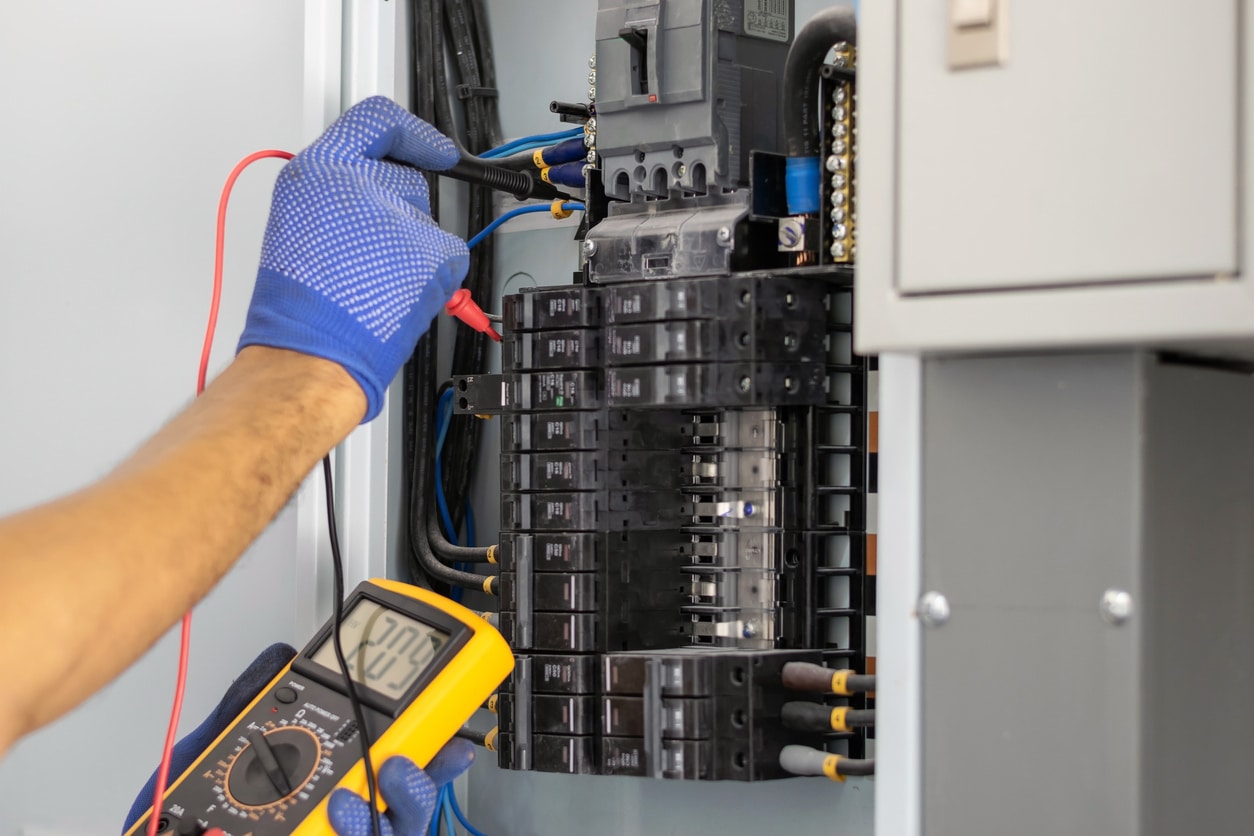
When the lights suddenly go out, an outlet stops working, or part of your home or business loses power, it is easy to blame a random electrical hiccup. But frequent circuit breaker problems are your electrical system’s way of saying, “Hey, something needs attention.” A circuit breaker that trips once in a while may simply be doing its job, but a breaker that keeps tripping is a warning sign you should not ignore. Whether you are dealing with an overloaded circuit, a short circuit, a faulty appliance, or an aging electrical panel, understanding what is happening can help you protect your property, your electronics, and everyone inside.
Circuit breakers are designed to keep your electrical system safe. When something pulls too much current or creates an unsafe condition, the breaker shuts off power to that circuit before overheating, sparks, or electrical fires can occur. In other words, that little switch in your breaker panel is not trying to ruin your day. It is trying to prevent a much bigger problem.
Still, repeated breaker trips can be frustrating, especially when they interrupt work, meals, entertainment, or business operations. The good news is that many breaker issues have identifiable causes, and with help from a licensed electrician, they can often be repaired quickly and safely. Let’s break down what your tripping circuit breaker may be telling you, what you can check on your own, and when it is time to call in the pros.
Circuit Breaker Problems Explained
A circuit breaker is a safety device that controls the flow of electricity to a specific area of your property. Different circuits may power your kitchen outlets, bathroom outlets, bedrooms, HVAC equipment, appliances, garage, outdoor lighting, or office equipment. Each breaker is rated to handle a certain amount of electrical current. When that limit is exceeded or when the electrical flow becomes unsafe, the breaker trips and shuts off power.
Think of your breaker like a referee. It watches the flow of electricity and blows the whistle when things get out of bounds. That “trip” may be annoying, but it usually means the breaker detected a problem that could damage wiring, appliances, or the electrical panel itself.
Common circuit breaker problems include:
- Breakers that trip repeatedly
- Breakers that will not reset
- Breakers that feel hot to the touch
- Buzzing, crackling, or humming sounds from the panel
- Flickering lights connected to a specific circuit
- Burning smells near outlets, switches, or the panel
- Breakers that trip when certain appliances turn on
- Older panels that no longer meet your electrical needs
A breaker problem does not always mean the breaker itself is bad. In many cases, the breaker is responding correctly to an issue somewhere else in the circuit. That issue could be overloaded wiring, damaged insulation, loose connections, faulty outlets, defective appliances, or outdated panel components.
For homes and businesses in Murrieta and the surrounding areas, electrical demand has changed dramatically over the years. Modern properties often rely on high-powered appliances, computers, smart devices, EV chargers, entertainment systems, security systems, and HVAC equipment. If your electrical system was not built or upgraded to handle today’s usage, circuit breaker trips may become more common.
Overloaded Circuits vs. Short Circuits
Two of the most common causes of a tripped breaker are overloaded circuits and short circuits. They may sound similar, but they are very different problems.
An overloaded circuit happens when too many devices or appliances draw power from the same circuit at once. For example, plugging a microwave, toaster oven, coffee maker, and air fryer into the same kitchen circuit may exceed what that circuit can safely handle. The breaker trips to stop the wires from overheating.
Signs of an overloaded circuit may include:
- Breaker trips when multiple devices are running
- Lights dim when an appliance turns on
- Outlets or switch plates feel warm
- Extension cords are heavily used
- Power strips are packed with electronics
- The issue improves when devices are unplugged or moved to another circuit
A short circuit is more serious. It happens when electrical current takes an unintended path, often because a hot wire touches a neutral wire, ground wire, metal box, or another conductive surface. Short circuits can create sparks, heat, and fire hazards. A short circuit usually causes the breaker to trip instantly after reset or as soon as a device is plugged in or turned on.
Signs of a short circuit may include:
- Breaker trips immediately after reset
- Burning smell from an outlet or appliance
- Scorch marks around outlets or plugs
- Popping sounds
- Sparks when plugging something in
- A specific device causes the breaker to trip every time
Overloads may sometimes be addressed by redistributing electrical usage, but short circuits require professional diagnosis. If you suspect a short circuit, stop resetting the breaker repeatedly. Repeatedly forcing a breaker back on can increase the risk of overheating, arcing, or fire.
Why Your Circuit Breaker Keeps Tripping
A breaker that keeps tripping is not random. It is reacting to a condition that needs to be found and fixed. Here are some of the most common reasons it may keep happening.
Too many devices are on one circuit. This is one of the most familiar causes. Kitchens, garages, workshops, offices, and entertainment spaces tend to collect high-demand devices. If too many are running on the same circuit, the breaker shuts off power. This is especially common during peak usage, such as making breakfast, running space heaters, using power tools, or operating several computers and printers at once.
A major appliance is drawing too much power. Refrigerators, dishwashers, microwaves, washing machines, dryers, HVAC systems, and water heaters can put a heavy load on your electrical system. If an appliance is aging, malfunctioning, or sharing a circuit it should not share, it may cause repeated trips.
There is a faulty appliance or device. Sometimes the circuit is fine, but the item plugged into it is not. A damaged cord, failing motor, internal wiring issue, or worn-out component can cause the breaker to trip. Try noticing whether the breaker trips when a particular appliance is used. That clue can help an electrician narrow down the source.
A ground fault is present. A ground fault occurs when electricity strays from its intended path and moves toward the ground. This can happen when wiring is damaged or moisture is present. Bathrooms, kitchens, laundry rooms, garages, outdoor outlets, and pool areas are common places for ground fault issues because water and electricity may be closer together.
Wiring is damaged or outdated. Wires can become damaged due to age, pests, heat, poor installation, remodeling work, or normal wear and tear. Older wiring may also struggle to support modern electrical loads. Damaged wiring should always be inspected by a professional electrician because it can pose a serious safety risk.
The breaker itself is worn out. Circuit breakers do not last forever. Over time, a breaker can become weak, corroded, loose, or unable to hold its rated load. A faulty breaker may trip even when the circuit is not overloaded. However, replacing a breaker is not a do-it-yourself job. The panel contains a dangerous electrical current, and proper diagnosis is needed to ensure the breaker is truly the issue.
Your electrical panel is outdated. If your home or business has an older panel, it may not be equipped for today’s electrical demands. Frequent breaker trips, flickering lights, limited available circuits, or reliance on extension cords may all point to a system that needs upgrades. In some cases, adding dedicated circuits or upgrading the panel can make the property safer, more reliable, and more convenient.
Signs of a Faulty Breaker Panel
Your breaker panel is the heart of your electrical system. When it is working properly, it distributes power safely throughout your property. When it is struggling, you may notice warning signs that should be taken seriously.
Call an electrician if you notice:
- Breakers trip frequently without an obvious cause
- Breakers feel hot or look damaged
- The panel makes buzzing or crackling sounds
- There is a burning odor near the panel
- Lights flicker throughout the property
- Appliances run inconsistently
- Breakers will not stay reset
- Rust, corrosion, or moisture is visible in or around the panel
- The panel is warm to the touch
- You still have an older fuse box
- You do not have enough circuits for modern appliances or equipment
A faulty panel can create inconvenience, but more importantly, it can create safety hazards. Electrical panels should be inspected and serviced by trained professionals who know how to safely evaluate breakers, bus bars, wiring, grounding, load capacity, and code-related concerns.
For business owners, breaker panel issues can also disrupt operations. If a tripped breaker takes down computers, lighting, HVAC, refrigeration, security systems, or production equipment, the problem can quickly move from annoying to expensive. A professional inspection can help identify weaknesses before they turn into outages or safety issues.
When to Call an Electrician
Some simple troubleshooting is reasonable. For example, you can unplug devices from the affected circuit, reset the breaker once, and see whether the issue returns. You can also take note of what was running when the breaker tripped. However, there are clear situations where professional help is the smart and safe choice.
Call an electrician if:
- The breaker trips repeatedly
- The breaker trips immediately after reset
- You smell burning or see scorch marks
- Outlets, switches, cords, or breakers feel hot
- You hear buzzing, crackling, or popping
- The same appliance keeps causing trips
- Lights flicker or dim often
- You rely heavily on extension cords or power strips
- Your panel is old, damaged, or undersized
- You are planning to add major appliances, EV charging, or new equipment
Electricity is not an area where guesswork pays off. A licensed electrician can test the circuit, inspect wiring, evaluate load demand, check the breaker, and determine whether repair, replacement, or upgrades are needed. The goal is not just to get the power back on. The goal is to make sure the system is safe and dependable.
Fixes That Require Professional Help
Many electrical repairs should only be handled by qualified electricians. Even if a fix looks simple, the risks inside a breaker panel or damaged circuit are real. Professional service helps protect your property and ensures work is completed correctly.
Common fixes that require professional help include:
- Replacing a faulty circuit breaker
- Repairing damaged wiring
- Troubleshooting short circuits
- Correcting ground faults
- Installing dedicated circuits
- Upgrading an electrical panel
- Replacing outdated outlets or switches
- Installing GFCI or AFCI protection
- Correcting loose panel connections
- Evaluating electrical load capacity
- Repairing code violations
- Adding circuits for appliances, workshops, offices, or EV chargers
A professional electrician can also help you plan ahead. If your home or business is growing, your electrical system may need to grow with it. New appliances, tenant improvements, remodels, outdoor living spaces, office buildouts, backup power systems, and smart technology can all increase electrical demand. Upgrading before problems become emergencies is often the more convenient and cost-effective path.
FAQ
Why does my circuit breaker keep tripping?
Your breaker may be tripping because the circuit is overloaded, an appliance is faulty, wiring is damaged, a short circuit is present, or the breaker itself is failing. Repeated trips should be inspected by an electrician.
Is it safe to keep resetting a tripped breaker?
Resetting a breaker once may be fine if you know the cause, such as too many devices running at the same time. If it keeps tripping, stop resetting it and call a professional. Repeated resets can hide a dangerous electrical issue.
How do I know if I overloaded a circuit?
An overload often happens when the breaker trips while several devices are running on the same circuit. You may also notice dimming lights, warm outlets, or trips that stop when you unplug some devices.
What is the difference between a short circuit and an overload?
An overload means the circuit is carrying more electricity than it should. A short circuit means electricity is taking an unsafe path due to damaged wiring or contact between conductors. Short circuits are more serious and need professional repair.
Can a bad appliance trip a breaker?
Yes. A faulty appliance, damaged cord, failing motor, or internal wiring problem can cause a breaker to trip. If the same device trips the breaker every time, unplug it and have the issue inspected.
Can a circuit breaker go bad?
Yes. Breakers can wear out, loosen, corrode, or fail over time. A faulty breaker may trip too easily or fail to reset. An electrician can test it and replace it safely if needed.
Should I upgrade my electrical panel?
You may need a panel upgrade if breakers trip often, your panel is outdated, you are adding major appliances, or your property does not have enough circuits for your electrical needs. A professional inspection can confirm the best solution.
Are tripped breakers a fire hazard?
They can be. The breaker is designed to prevent hazards, but repeated trips may point to overheating, damaged wiring, short circuits, or panel issues. Have frequent tripping checked promptly.
Call Power Pros Electric for Circuit Breaker Repairs
A tripped breaker is more than a small inconvenience. It is a message from your electrical system, and we are here to help you understand it, fix it, and move forward with confidence. Whether your circuit breaker keeps tripping at home, your business is dealing with unreliable power, or your panel needs an upgrade, the right team can make all the difference.
Don’t wait for electrical mishaps to disrupt your daily routine or business operations. Take charge and partner with us at Power Pros Electric, the premier choice for all your electrical needs in Murrieta and the surrounding areas. Our experienced electricians are ready to perform meticulous inspections, swift repairs, and comprehensive upgrades. Whether you’re tackling immediate electrical challenges or planning for future enhancements, reach out to our team of electricians today.
Contact us to schedule electrical repair, inspection, or upgrade services and keep your property powered safely.